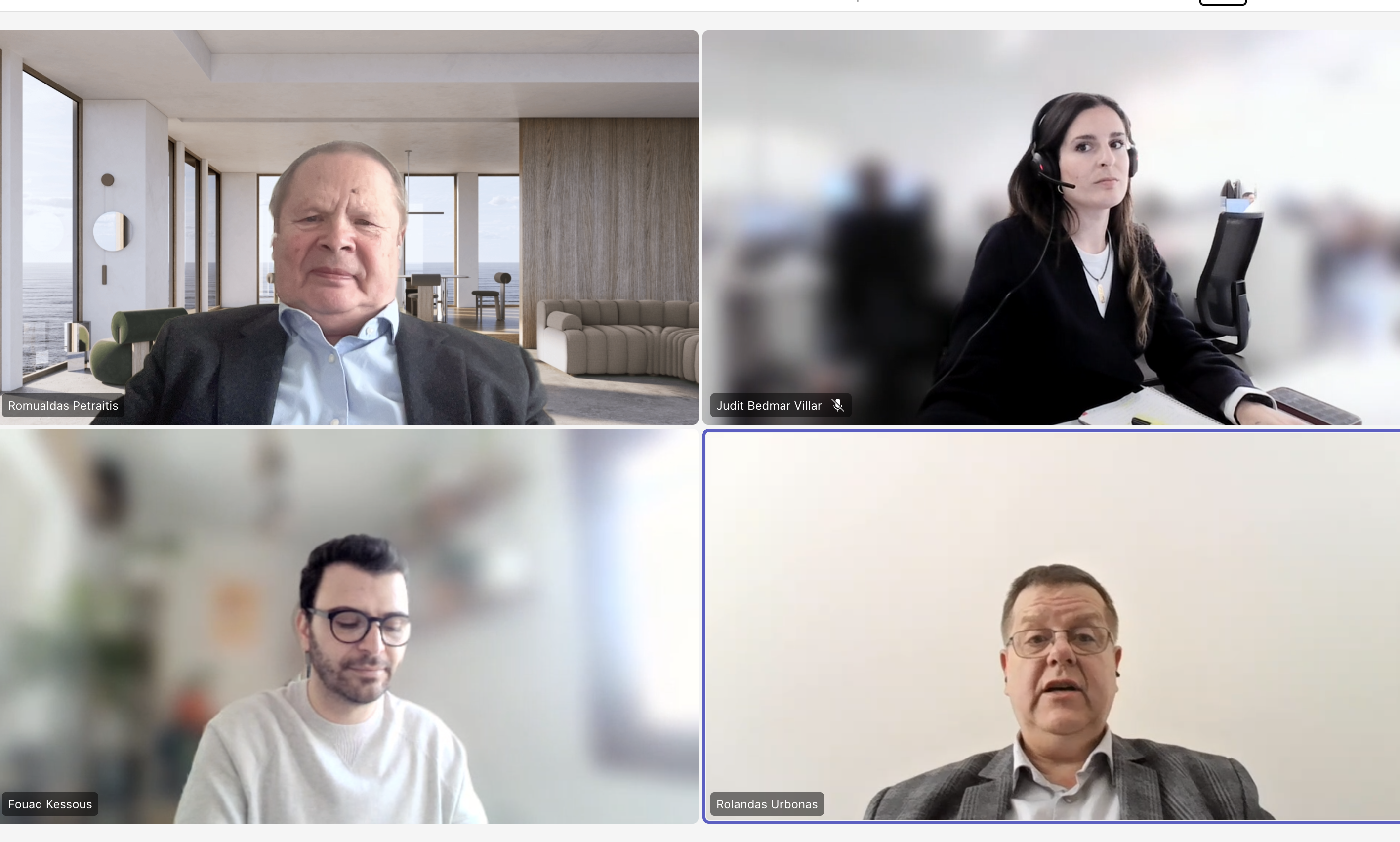
On February 27, together with Vice-Rector for Research and Innovation at Vytautas Magnus University Dr. Rolandas Urbonas, we took part in a discussion focused on a business mission to Lithuania by Polish green technology companies. Representatives of Poland’s Ministry of Climate and Environment, Lithuania’s Ministry of Environment, and the embassies of Poland and Lithuania also participated in the discussion.

Poland’s Ministry of Climate and Environment approached us with the intention of organizing a green technology business mission to Lithuania. This would be an event during which around 12 Polish companies would come to Lithuania to present their solutions across various sectors.

Poland’s Ministry of Climate and Environment requested assistance in identifying potential partners in Lithuania who could host the business mission and help connect Polish technology providers with potential recipients, such as municipalities or municipal utility companies.

There are around 50 green technology companies in Poland. During the discussion, we reviewed municipalities’ environmental and energy needs and challenges, potential technological niches, and national funding programs available in Lithuania.
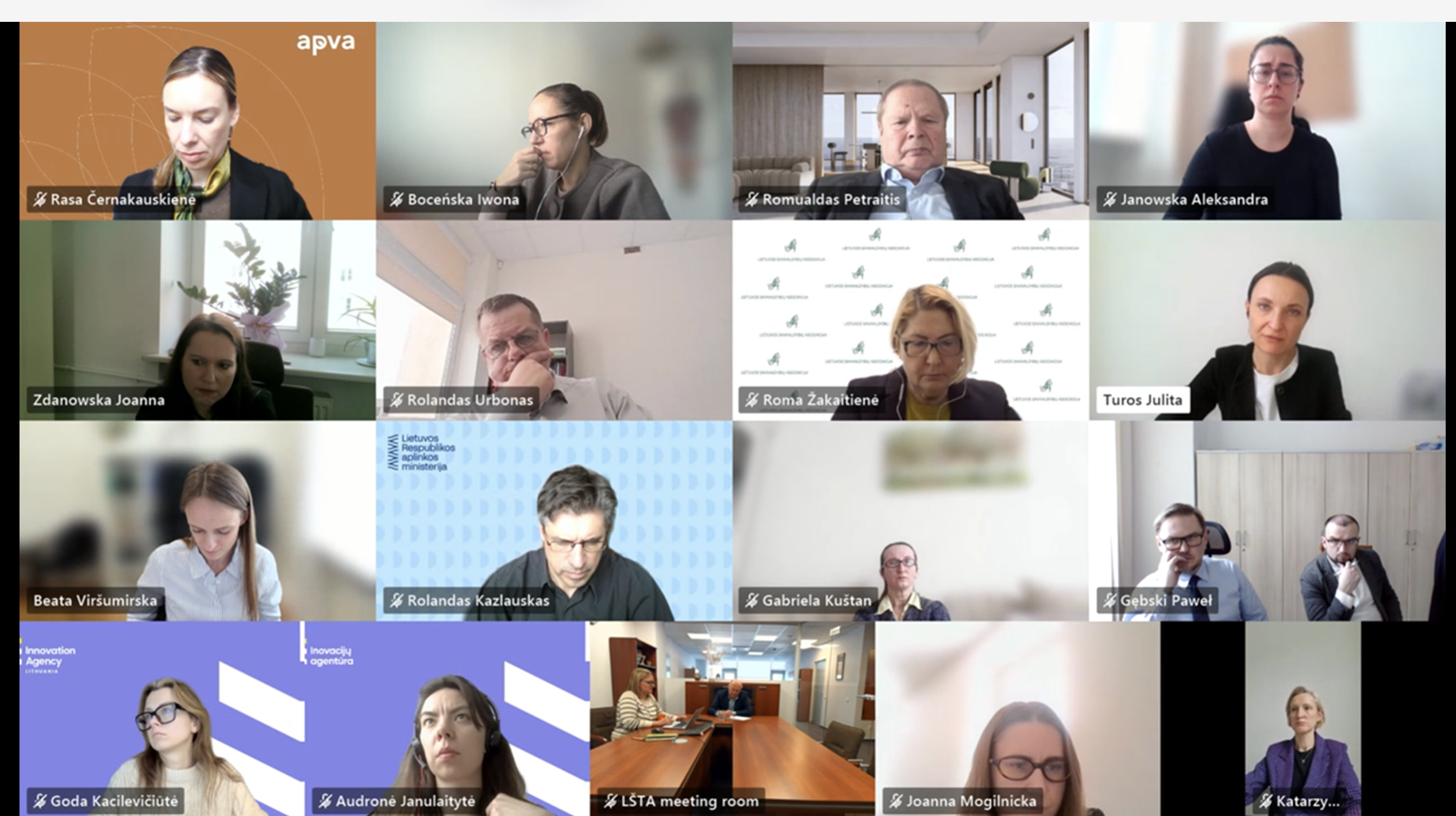

Nuotolinio susitikimo ekranvaizdis

On February 27, together with Dr. Rolandas Urbonas, Vice-Rector for Research and Innovation at Vytautas Magnus University, we participated in a discussion where we discussed the details of collaboration between the Green Municipalities Network and the Smart City Expo World Congress.

Since 2011, Smart City Expo World Congress has been a catalyst for this historic transformation. Here, cities rise to meet global challenges, they’re stepping into their role as influential actors on the world stage. Here, international pioneers and passionate innovators come together to craft our urban legacy.

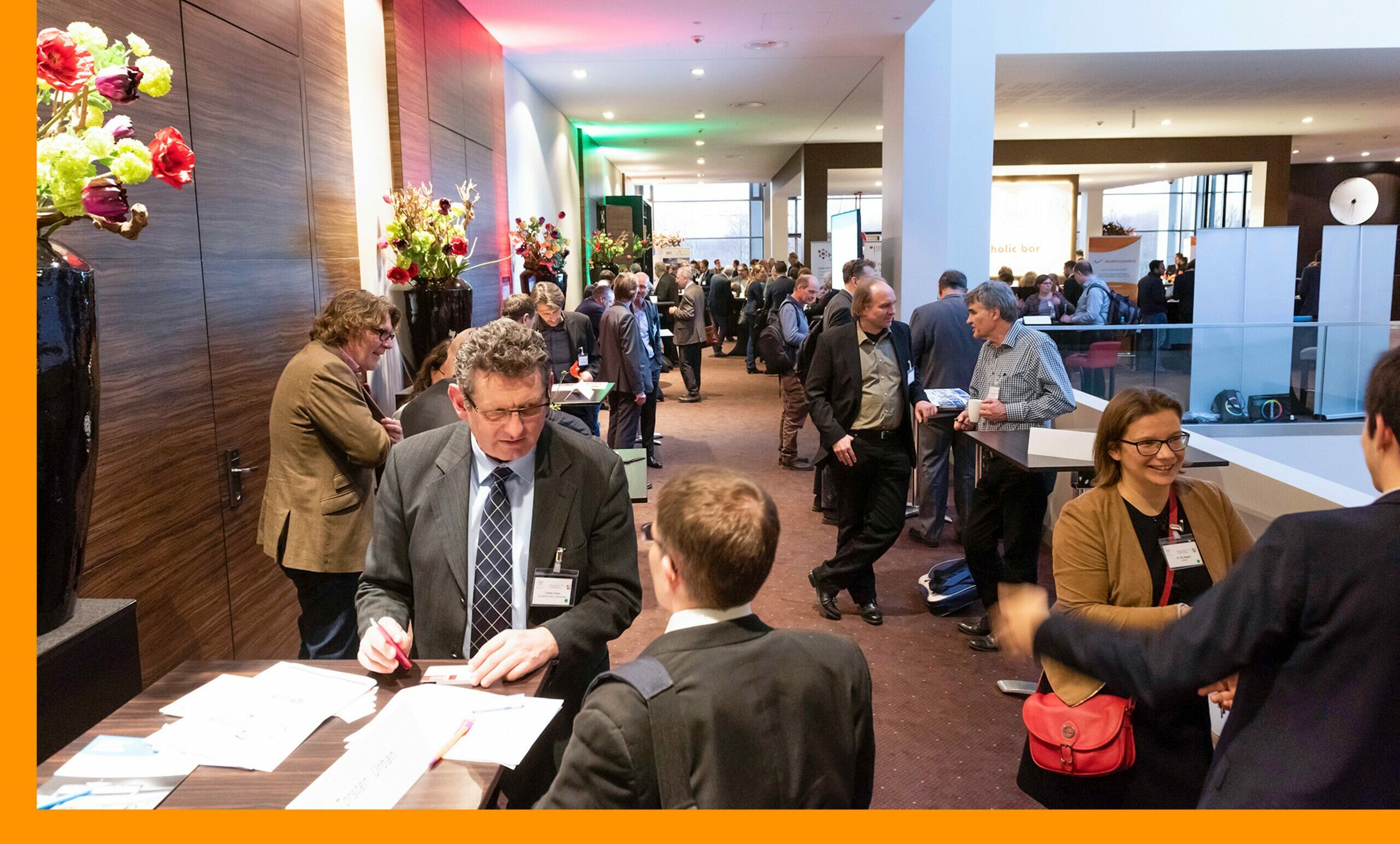
For the twelfth time, the conference invites researchers and entrepreneurs from North Rhine-Westphalia and all other regions throughout Europe to find new research and innovation (R&I) partners for Horizon Europe projects.

Participants are invited to give a short presentation (ideas and/or results) with a focus on Horizon Europe calls, where a budget of approx. € 95.5 billion is available up until 2027.

The networking event is structured in parallel workshops focussing on eight topics:

  • Cluster 1: Health
  • Cluster 2: Creative Industries
  • Cluster 4: Digital Technologies
  • Cluster 4: Industrial Technologies
  • Cluster 5: Energy
  • Cluster 5: Mobility
  • Cluster 6: Food, Bioeconomy, Natural Ressources, Agriculture and Environment
  • Innovation Procurement (PCP/PPI)

The event addresses in particular universities and research institutes as well as companies, especially small and medium-sized enterprises. Participants are invited to become involved in established and new technology networks between researchers, entrepreneurs and multipliers related to Horizon Europe.

Giving a short presentation (ideas and/or results) or finding a partner by talking to decision-makers opens doors for new research and innovation projects in Europe with a focus on Horizon Europe.

Conference fee: € 150 (€ 120 one day) per person including VAT.

Invoices will be despatched in February 2025 before the event.

Free participation for speakers in sessions 1 to 4.

Please note that the event organizer does NOT cover any travel expenses, costs for hotels etc.! The conference fee includes dinner on 6 March, lunch on 7 March, tea/coffee/cold drinks during the breaks and the airport-venue shuttle (solely as provided by the organizers). Registration is binding. We reserve the right to charge the participation fee if a delegate fails to cancel their attendance by sending an email to successful@zenit.de by 28 February 2025.

Registration deadline is 28 February 2025. The deadline for submitting proposals in the call for presentations is 19 January 2025.

Low2HighDH aims to support district heating operators in Lithuania, Poland, and Slovakia by integrating low-grade and waste heat technologies into their systems, aiding them in meeting their decarbonisation goals. To achieve this, the project requires active engagement from high-temperature district heating sites and will evaluate prospective participants through a Call for Applications.

The application will be carried out by completing an online application form which will gather all relevant information to be used to score candidates. Then the consortium will use the selection criteria, to select the most appropriate applicants. Last, the selected applicants will be contacted by the consortium partner in charge of providing the specific support in order to define the support facility and formalise the collaboration agreement.

More information: https://low2highdh.eu/call-for-applications/

AURORAL is a public funded project under the European Union’s Horizon 2020 program. It is a consortium of 30 partners from 10 different European countries.

Project goal is to use digitization for improving rural regions in many aspects, like economical growth, social aspects or to contribute to overcome the digital divide between rural and urban areas. The AURORAL project is now proudly looking for interested parties to join our efforts through an Open Call for projects.

AURORAL are looking for projects that aim to improve our ecosystems for Smart Communities, creating new Smart Communities or support existing ones. The maximum project duration is 6 months with a funding rate of 70% of all eligible costs. There are two types of projects that correspond to two strands:

Strand A: Call for new Smart Communities – coming soon
Strand B: Call for new complementary services – max grant amount: € 55.200

SUBMIT YOUR PROPOSALS BY JUNE 28TH, 2024 23:59 CET.
For more info: https://www.auroral.eu/#/open-calls

On 28th March, coordinator of Green Municipalities Romualdas Petraitis participated in an event organized by the Research Council of Lithuania and the Association of Lithuanian Municipalities for the climate change solutions of the European Union Mission and Horizon Europe – Lithuanian municipalities. The event was attended by representatives of the Network of Green Municipalities and scientific institutions.

The EU’s Urban Mission aims to make at least 100 European cities climate-neutral and smart cities by 2030 and to ensure that these cities act as reference hubs for innovation for other European cities. The mission aims to increase the innovation capacity of cities and regions and to accelerate the deployment of smart and sustainable solutions in the areas of urban mobility, landscaping, infrastructure, energy and the involvement of townspeople. Two Lithuanian cities – Vilnius and Tauragė – participate in this EU urban transformation agenda among the 112 EU cities, which have become a role model for other Lithuanian cities.

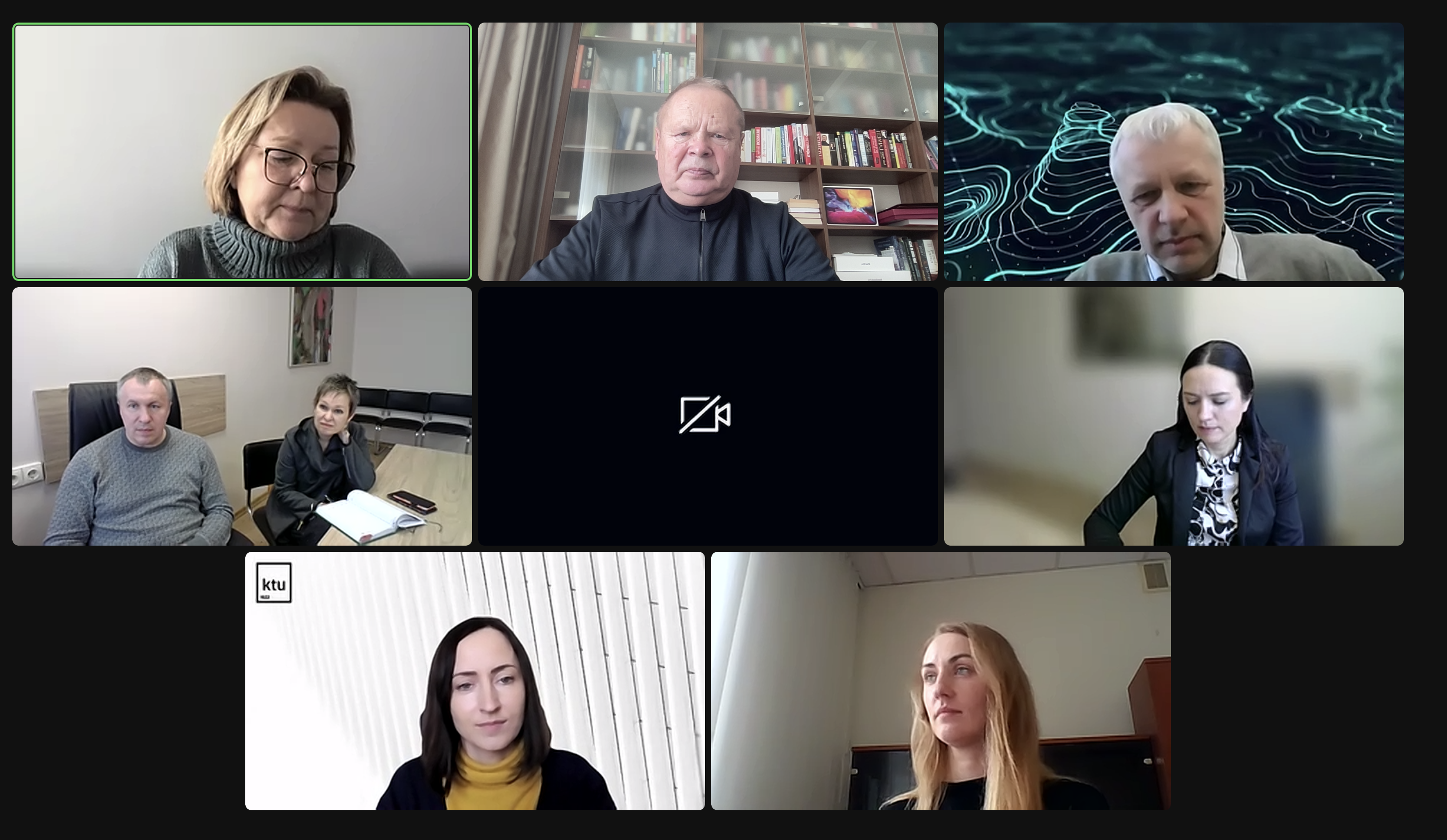
On March 8th, together with the scientists of the KTU Institute of Environmental Engineering, we had an interesting and meaningful discussion with the representatives of the Network of Green Municipalities of Panevėžys city about the green and social infrastructure of the city. In this conversation, we examined how well-being could be promoted through an innovative approach to the sufficiency of an urbanised environment, which aims to rationally meet the basic needs of society while respecting the planet’s limited resources and responding to climate challenges

On March 6th, together with the scientists of the KTU Institute of Environmental Engineering, we had an interesting and meaningful discussion with the representatives of the Network of Green Municipalities of Kaunas, Klaipėda, Panevėžys and Alytus cities about the green and social infrastructure of the city. Urbanisation and climate change pose serious challenges in terms of a living environment, quality of life and the equality of society, which are becoming increasingly important issues in urban governance and development. In this conversation, we examined how well-being could be promoted through an innovative approach to the sufficiency of an urbanised environment, which aims to rationally meet the basic needs of society while respecting the planet’s limited resources and responding to climate challenges. The green and social infrastructure of cities can be analysed from an innovative sufficiency perspective, which is one of the most important factors in the development of a climate-friendly environment and resource-efficient society. The data will be analyzed and visualized by GIS software.

AURORAL

H2020-AURORAL Project organises its Open Call to validate and complement the project’s technology and use cases which will help to create an Open Innovation Ecosystem of developers, innovators, service providers and Smart Communities and will prioritize the maturity of projects.

Project will fund the development and implementation of highly innovative and challenging, but mature pilots in 12 lots (health, mobility, farming, energy, tourism, media, education, governance, industry, territory, and nature), as well as platforms (marketplaces) in 16 different regions.

For this purpose, the consortium has planned to allocate a budget for the cascade funding across a total of up to 1.550.400 € to third parties who submitted an eligible proposal.

SUBMIT YOUR PROPOSALS BY FEB 29TH, 2024 23:59 CET.
For more info: https://www.auroral.eu/#/open-calls

EUKI

EUKI funds selected projects that promote cross-border climate action in Europe. Funding of between 120,000 and 1 Million euros will be awarded per project, following a Europe-wide call for project ideas that we put out every year. The 8th EUKI Call for Project Ideas runs from 6 February until 12 March 2024. For the 2024 selection procedure, project ideas must be received by 15:00 CET (Central European Time) using this online platform. The projects provisionally selected will be asked to submit a full project proposal, probably in June 2024. The first projects are scheduled to start in December 2024.

For more info: https://www.euki.de/en/project-funding/

On January 26th, a discussion took place with the municipalities of the Utena region. The sustainability of small and medium-sized enterprises (SMEs) in the tourism sector of the Utena region was discussed, as well as familiarization with good practices from other regions and their implementation to strengthen the sustainability of tourism SMEs.

During the discussion, topics included how to promote the implementation of sustainable innovations using certification schemes and/or labeling, how to develop management skills for the transformation of tourism SMEs by applying digitization and environmentally friendly solutions.